
Our trip to Japan in the spring of 2024 was such an incredible experience (in no small part thanks to the amazing food) that Mike and I returned to Japan in the fall of 2025. During our time in Tokyo, Kyoto, Nara, Kanazawa, Takayama, and the Japanese Alps, we were treated to gorgeous scenery, beautiful temples and gardens, enriching cultural experiences, and of course, delicious food. Here are the best things I ate along the way.
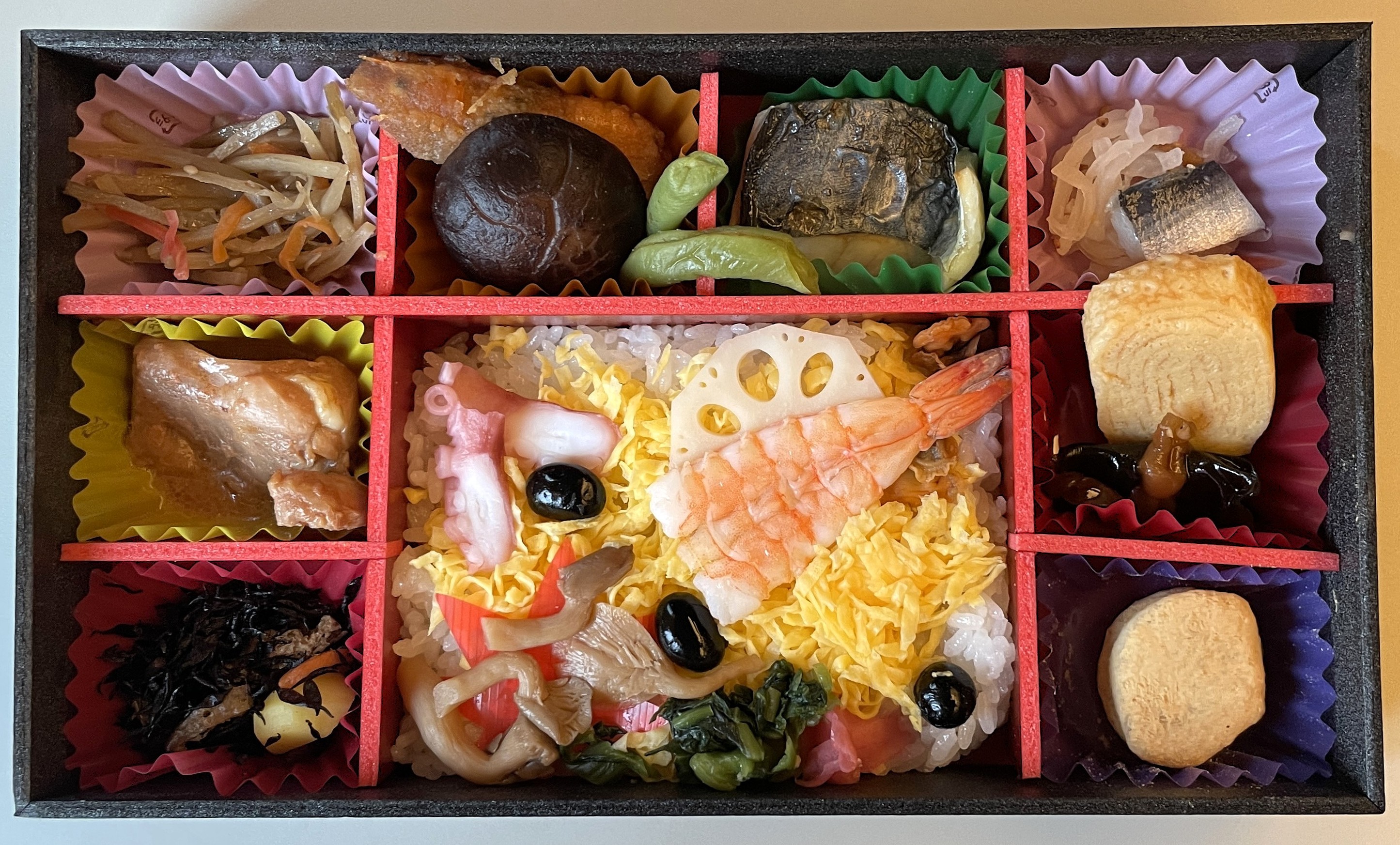
1. Bento box from Ekibenya Matsuri (Tokyo)
One of the culinary highlights of my 2024 trip to Japan was eating a fancy seasonal bento from Ekibenya Matsuri on the Shinkansen from Tokyo to Kyoto, so I had to repeat the experience on this trip. Opening my lunch felt like unwrapping a present. The little compartments were each arranged with care, with over a dozen different dishes including pickled vegetables, mushrooms, fish, chicken, omelette, and peanut mochi. It was such a delight to settle in and savor so many different textures and flavors as the countryside whipped by my window at 100 miles per hour.
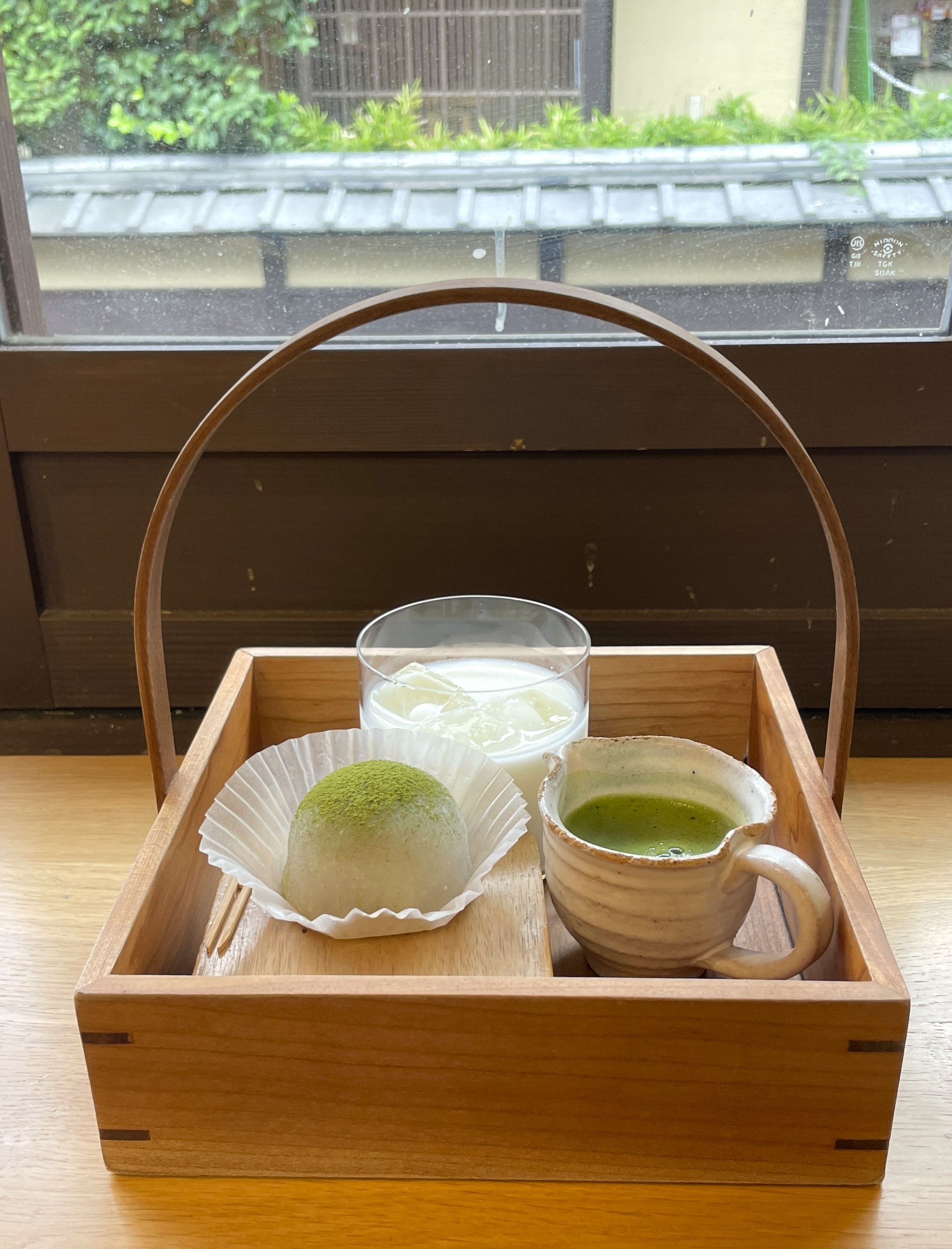
2. Mochi set at Kumo no Cha (Kyoto)
When I ordered a matcha latte with my mochi set at Kumo no Cha I was surprised to be presented with a glass of ice and milk and a tiny ceramic pitcher of matcha. Maybe it was the format, maybe it was how high-quality the matcha was, but the smooth, herbal flavor was immensely better than the bitter matcha lattes I'm accustomed to in the U.S. The mochi was great too, with a very thin doughy exterior, a layer of red bean paste, and a delicate, creamy matcha center. It was the perfect way to decompress and enjoy the view of Sannenzaka, a stone-paved street in Kyoto's historic Higashiyama neighborhood that is very picturesque and extremely crowded.
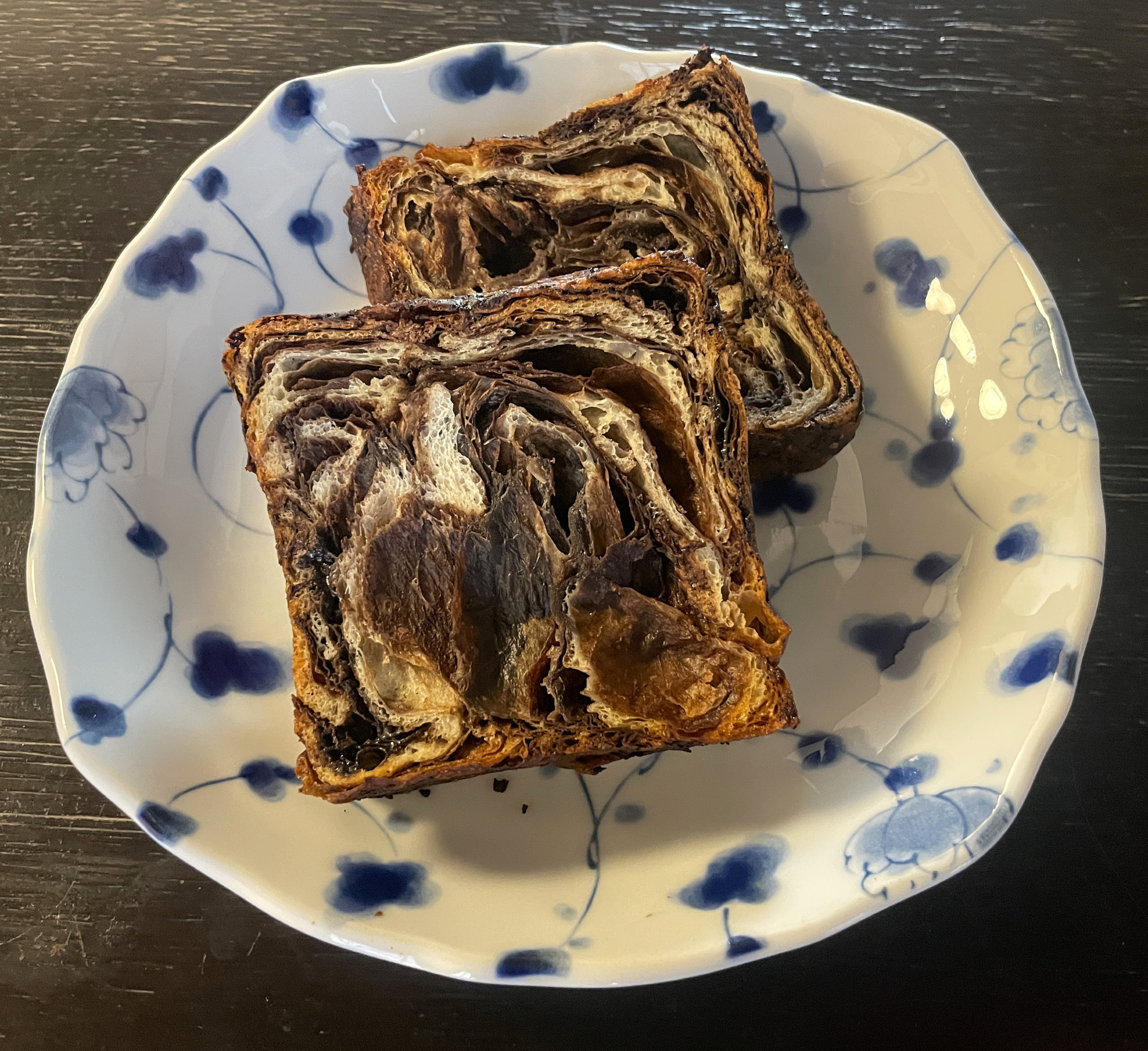
3. Danish bread from Boloniya (Kyoto)
Boloniya's main location in Gion was only a couple blocks from our Airbnb, and after walking by a few times we were curious enough to venture inside. The bakery specializes in Danish bread, which is made by baking swirled pastry dough in large molds, resulting in loaves with flaky layers similar to a croissant. During our week in Gion we stopped by a few times to purchase different flavors. The chocolate was my favorite, like a more delicate version of babka and especially tasty when lightly toasted. The coffee caramel was a close runner up, with the rich bitterness of coffee and just a hint of caramel. It was a unique product that I wouldn't have associated with Japan, and I'm glad we stumbled across it.
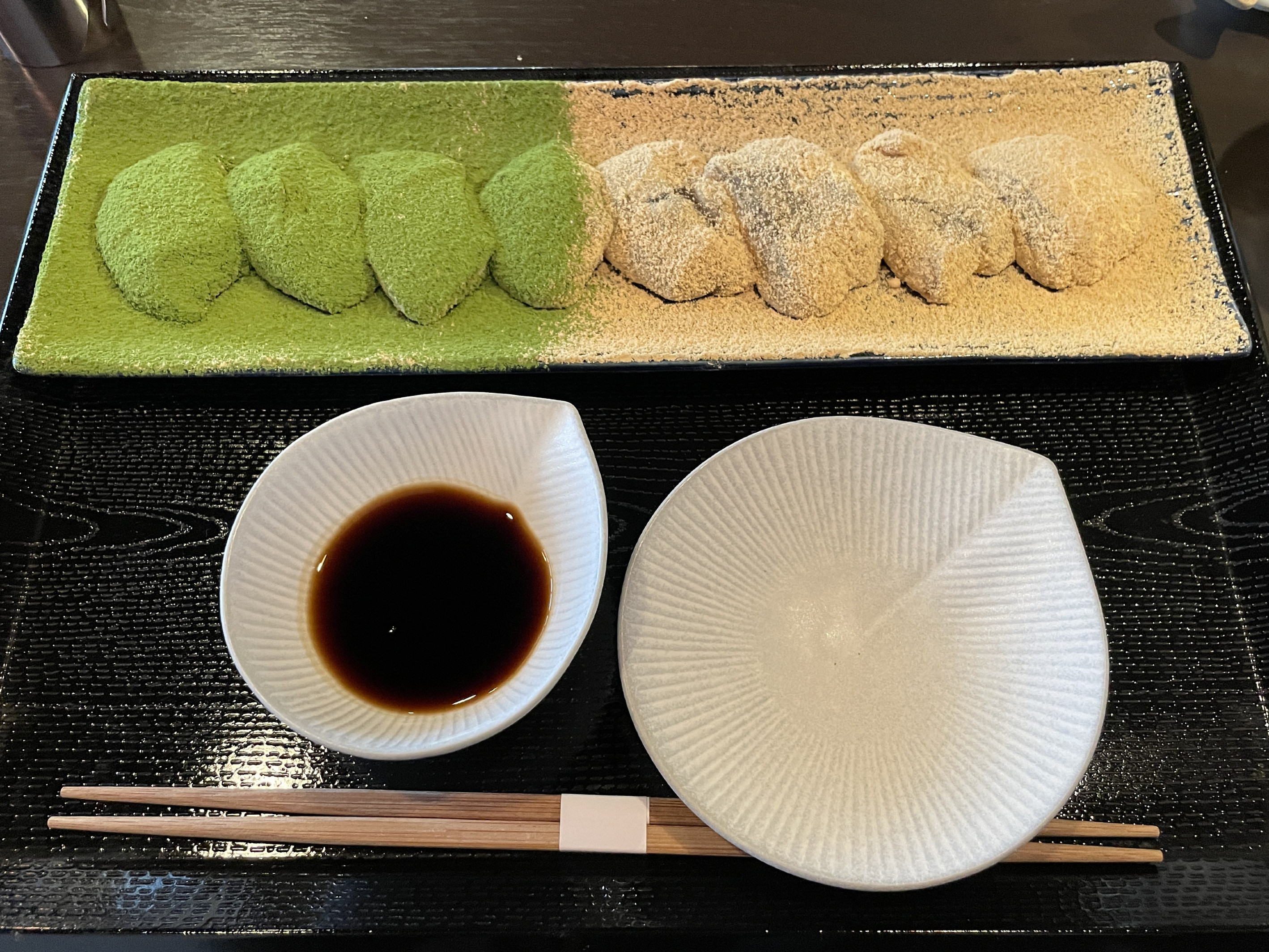
4. Matcha warabimochi at Kisshokaryo (Kyoto)
Our Airbnb host provided a binder with sightseeing and restaurant recommendations, and one of the spots they mentioned was Kisshokaryo, a dessert cafe just down the street. I stopped by for an afternoon snack, completely unprepared for the upscale atmosphere. I was surrounded by chic women speaking in hushed tones, and the food was exquisite even by Japanese standards—my server delicately dusted matcha powder over my warabimochi just before I ate it. Warabimochi don't really have much of flavor (they're made from sugar and starch derived from bracken fern roots), but the texture is fascinating. When I picked them up with my chopsticks, they almost turned into liquid. The closest comparison I can make is that they're like a silkier version of Jell-o Jigglers. The flavor came from toppings: house-roasted, nutty soybean flour; matcha ground so finely that the mill only yields 40 grams per hour; and a black honey, which is a Japanese syrup made from a type of brown sugar.
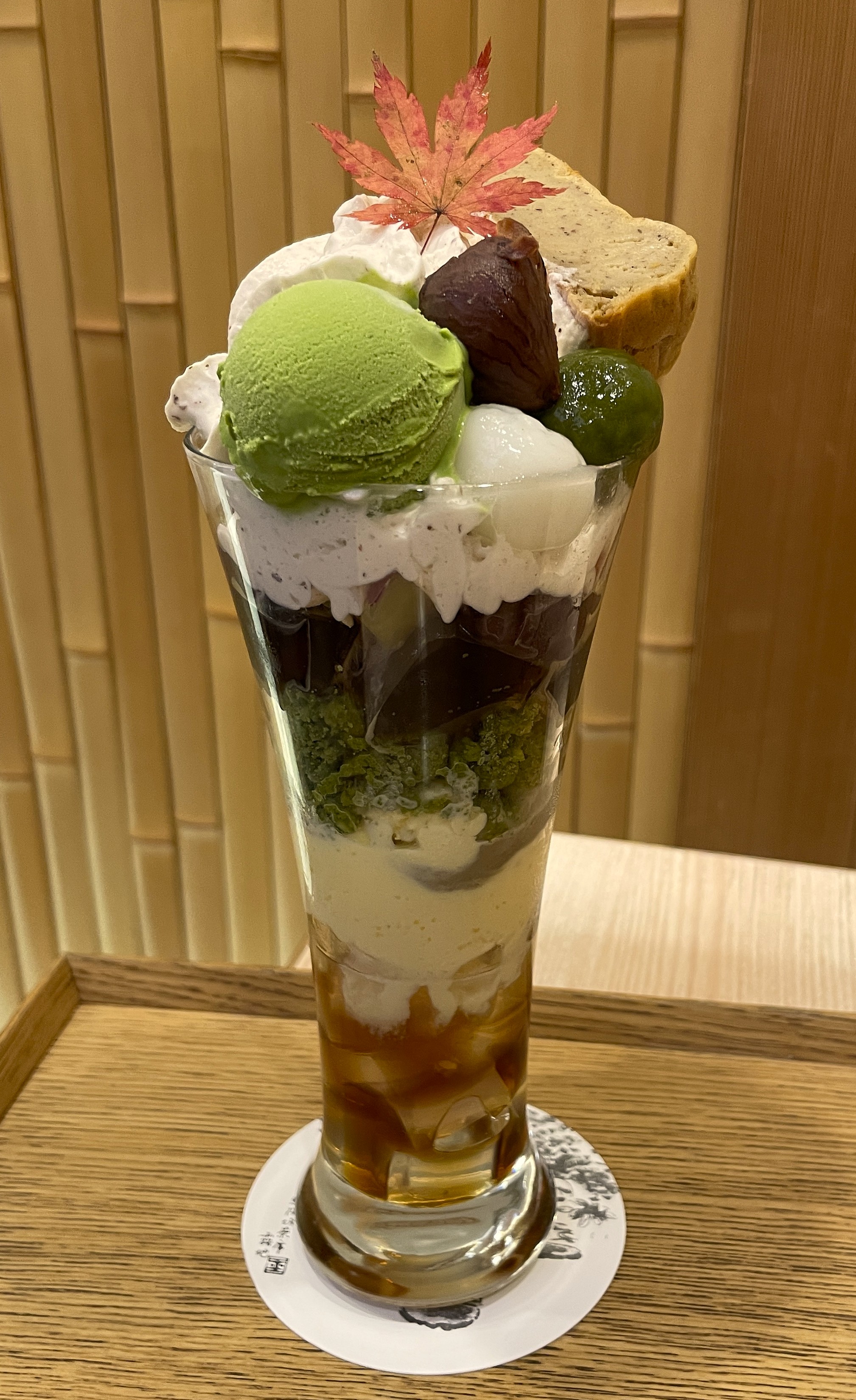
5. Autumn parfait at Saryo Tsujiri (Kyoto)
Operated by a renowned tea company, Saryo Tsujiri serves extravagant, tea-inspired desserts—my autumn parfait came topped with a miniature piece of chestnut cheesecake and a tiny maple leaf. The layers of chestnuts, brown rice tea streusel, rice flour dumplings, matcha whipped cream, sweet potato, azuki bean paste, and roasted green tea and chestnut ice cream provided a bounty of flavors and textures. There was just enough of each ingredient to satisfy, and it was delightful from the first bite to the last.

6. Sesame, shiso, and plum onigiri from Kyoto Onimaru (Kyoto)
As much as I love convenience store onigiri, the freshly-made onigiri from Kyoto Onimaru has them beat hands down. The sweet and sour plum, nutty sesame, and cool, herbaceous shiso were so harmonious that I can still taste the combination two months later.
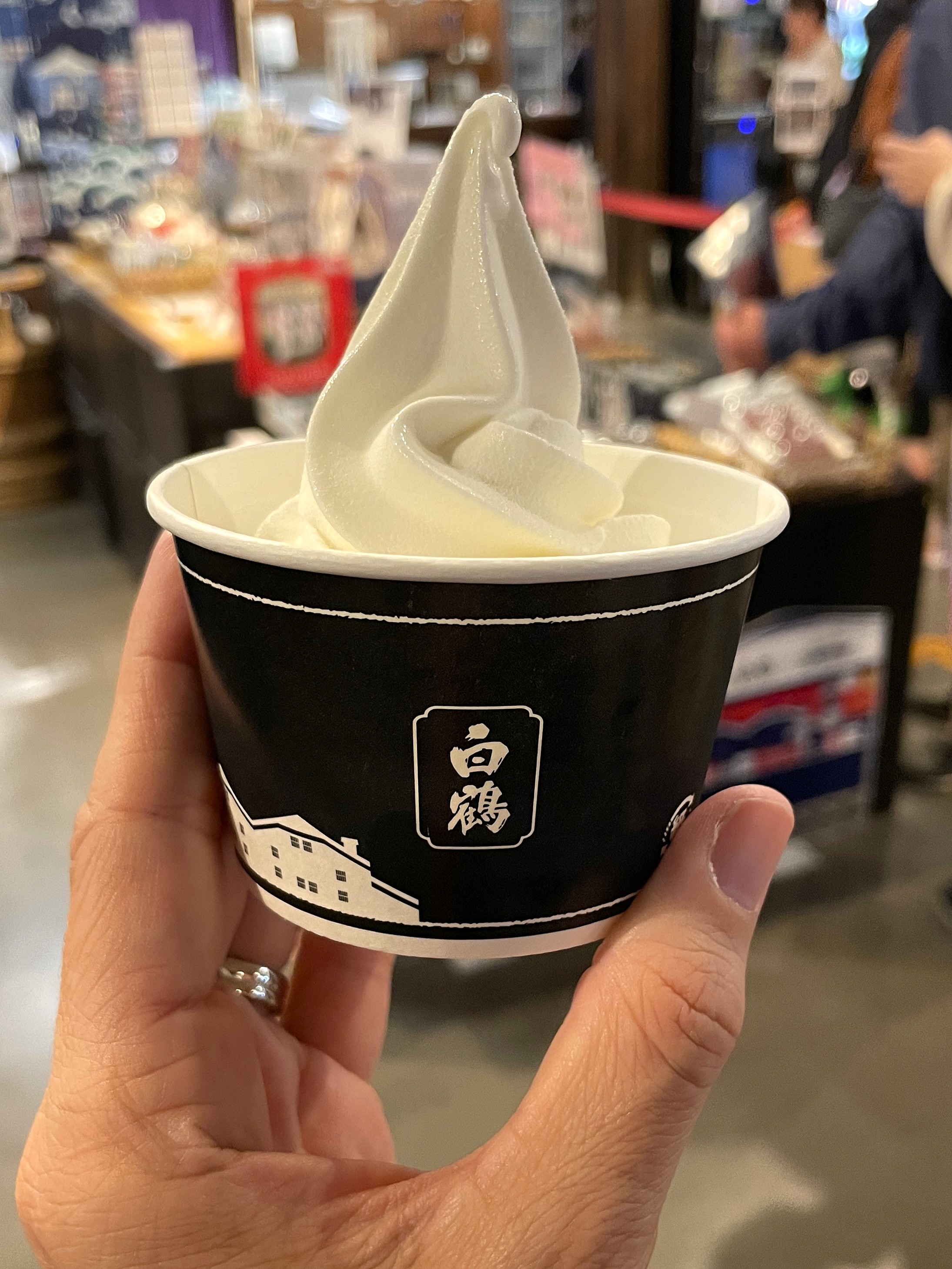
7. Soft serve at Hakutsuru Sake Brewery Museum (Kobe)
During our week in Kyoto we took a day trip to Kobe, which is known for its sake brewing industry. The Hakutsuru Sake Brewery Museum features exhibits about historic and contemporary sake brewing, free samples, and a gift shop where visitors can purchase soft serve made from the spent rice that's a byproduct of the sake brewing process. The soft serve isn't alcoholic, but it has a mild, fermented taste and an extra creamy texture. It sounds odd, but it was quite enjoyable and refreshing.
8. Flower cheesecake at Hana Souffle Cheesecake (Kyoto)
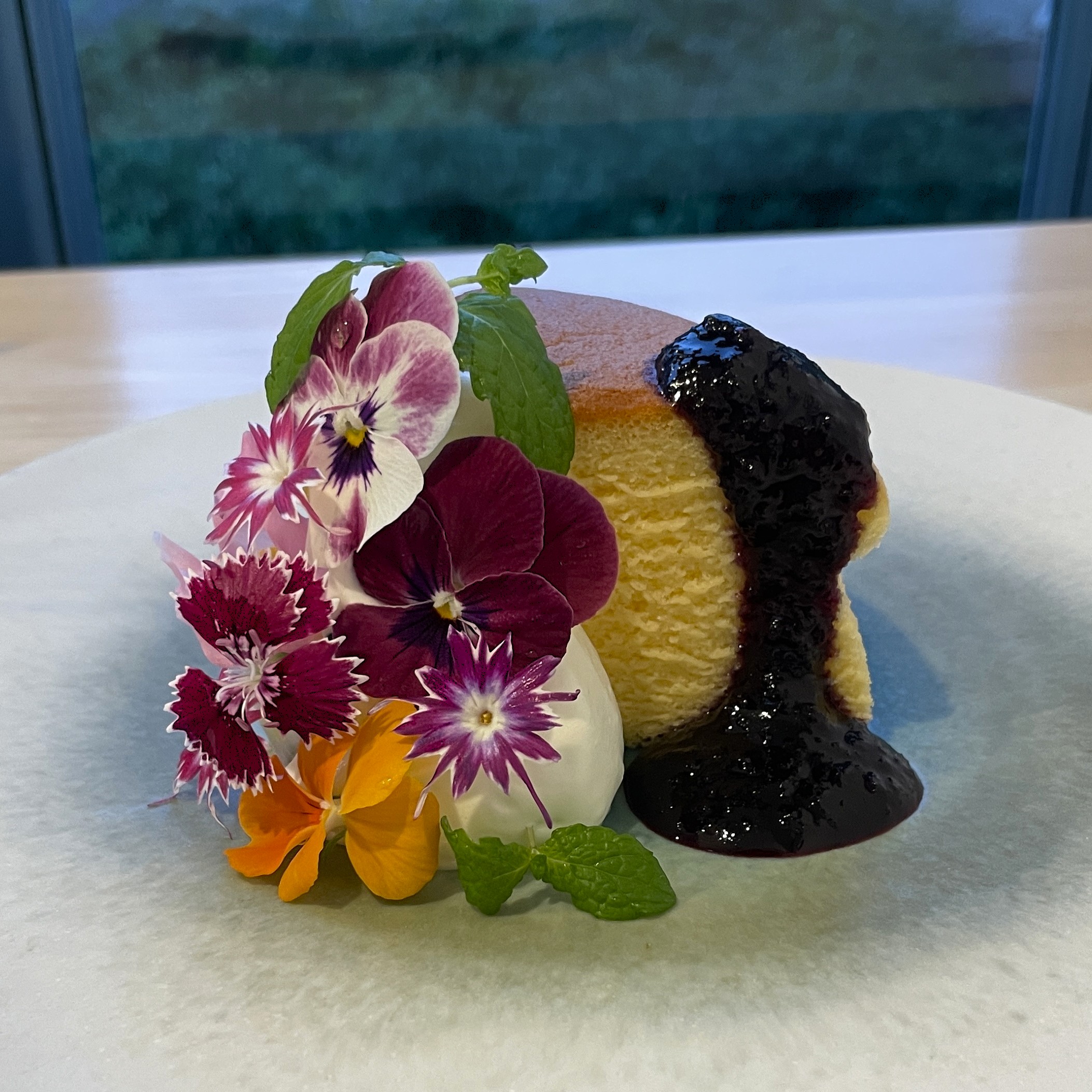
Similar to Kisshokaryo, Hana Souffle Cheesecake was close to our Airbnb, and I was completely unprepared for the exquisite presentation. I initially stopped in for shave ice, and I enjoyed it so much that I returned with Mike on our last evening in Kyoto. This time, I ordered a cheesecake that was even better. It was beautifully presented in a butterfly-adorned glass dome, and cheesecake itself was a work of art, painstakingly decorated with edible flowers. Japanese-style souffle cheesecake has a very different texture than the New York or Philadelphia-style cheesecakes common in the U.S.—it was fluffy but also a bit chewy. Each slice was served with a choice of jam, and the blueberry herb had a lovely depth of flavor, with sweet and savory notes.
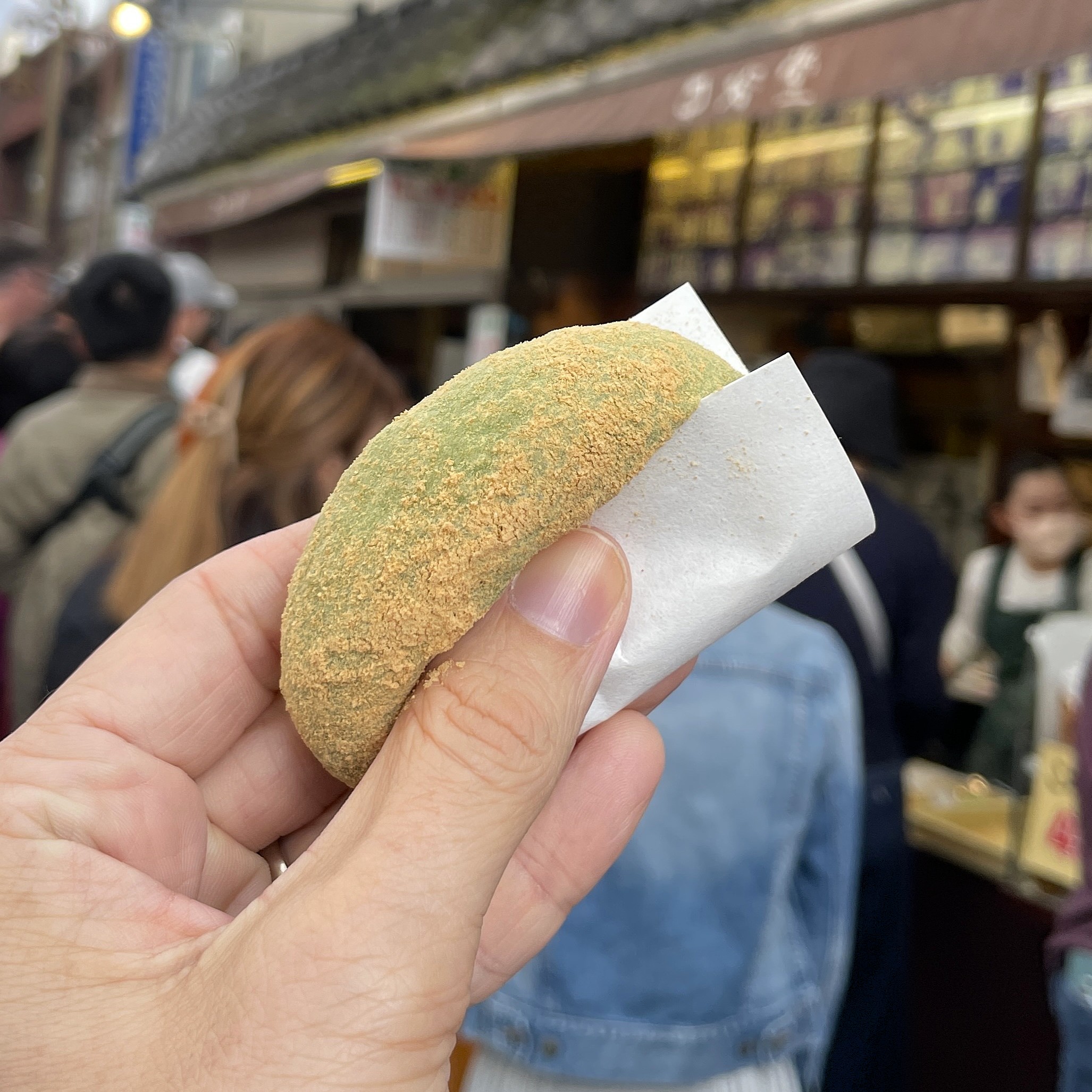
9. Mochi from Nakatanidou Mochi (Nara)
During our afternoon in Nara, we came across a crowd of people and realized they were all eating mochi. We had stumbled across Nakatanidou Mochi, which is social media famous because periodically throughout the day you can see mochi dough being hand-pounded with an enormous mortar and pestle. Luckily, our visit happened to coincide with mochi pounding (it's an impressive physical feat), and we also got to watch mochi being extruded through a machine and dusted with soy flour before they’re sold, still warm. I think due to their freshness, the mochi are light and bouncy, rather than chewy, with red bean paste in the middle.
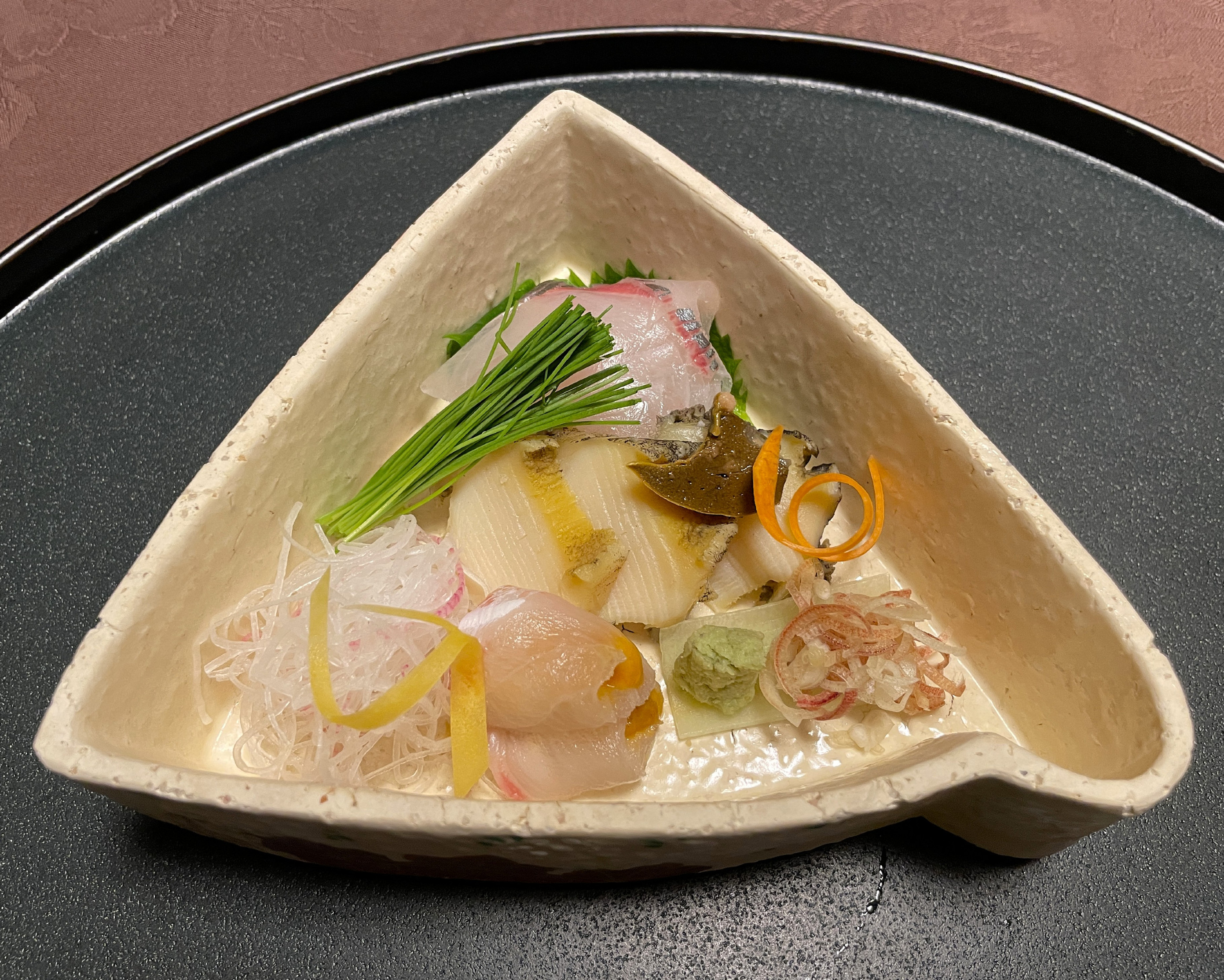
10. Kaiseki sashimi course at Tsukihitei (Nara)
The accommodation splurge of our trip (and possibly of our lives) was our night at Tsukihitei, a ryokan nestled into a forest like something out of a fairy tale. Our stay included an elaborate kaiseki dinner served in a private dining room. Although everything was amazing, the abalone served during the sashimi course stood out. This was the first time I’d eaten abalone, and it has such a distinctive texture and flavor, almost like a meat/shellfish hybrid. I'm glad I had the opportunity to enjoy it as sashimi, so that the ingredient itself was the focus.
The beef hot pot course deserves an honorable mention—Nara prefecture is known for its Waygu beef, and the meat was so richly marbled that it actually melted in my mouth.
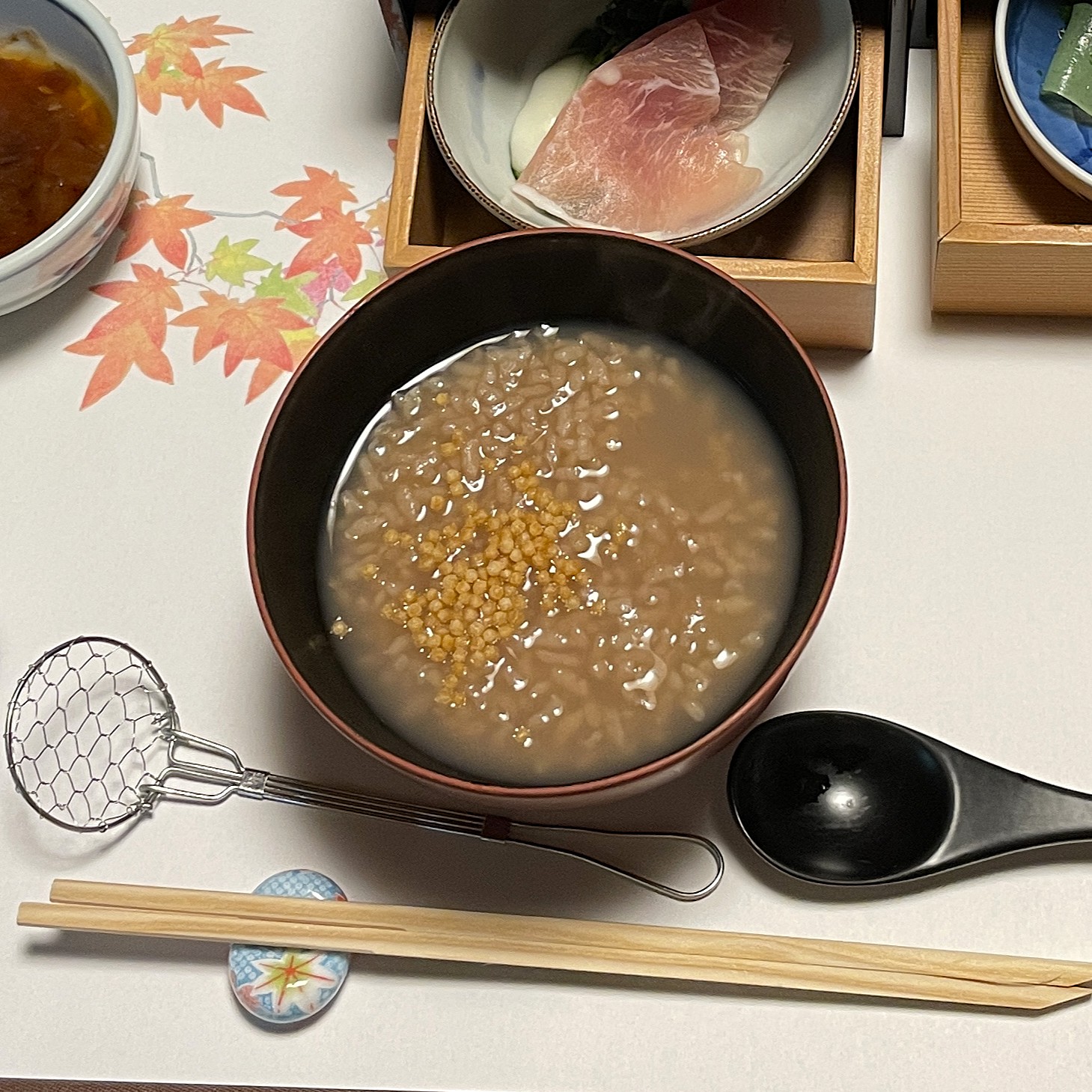
11. Yamato chagayu at Tsukihitei (Nara)
Our breakfast at Tsukihitei was nearly as elaborate as dessert, but my favorite dish was a simple one: yamato chagayu. It's a local specialty made by steeping rice in tea, yielding a porridge with a roasted, earthy flavor. It was so comforting and nourishing, truly fitting for such soothing, relaxing surroundings.
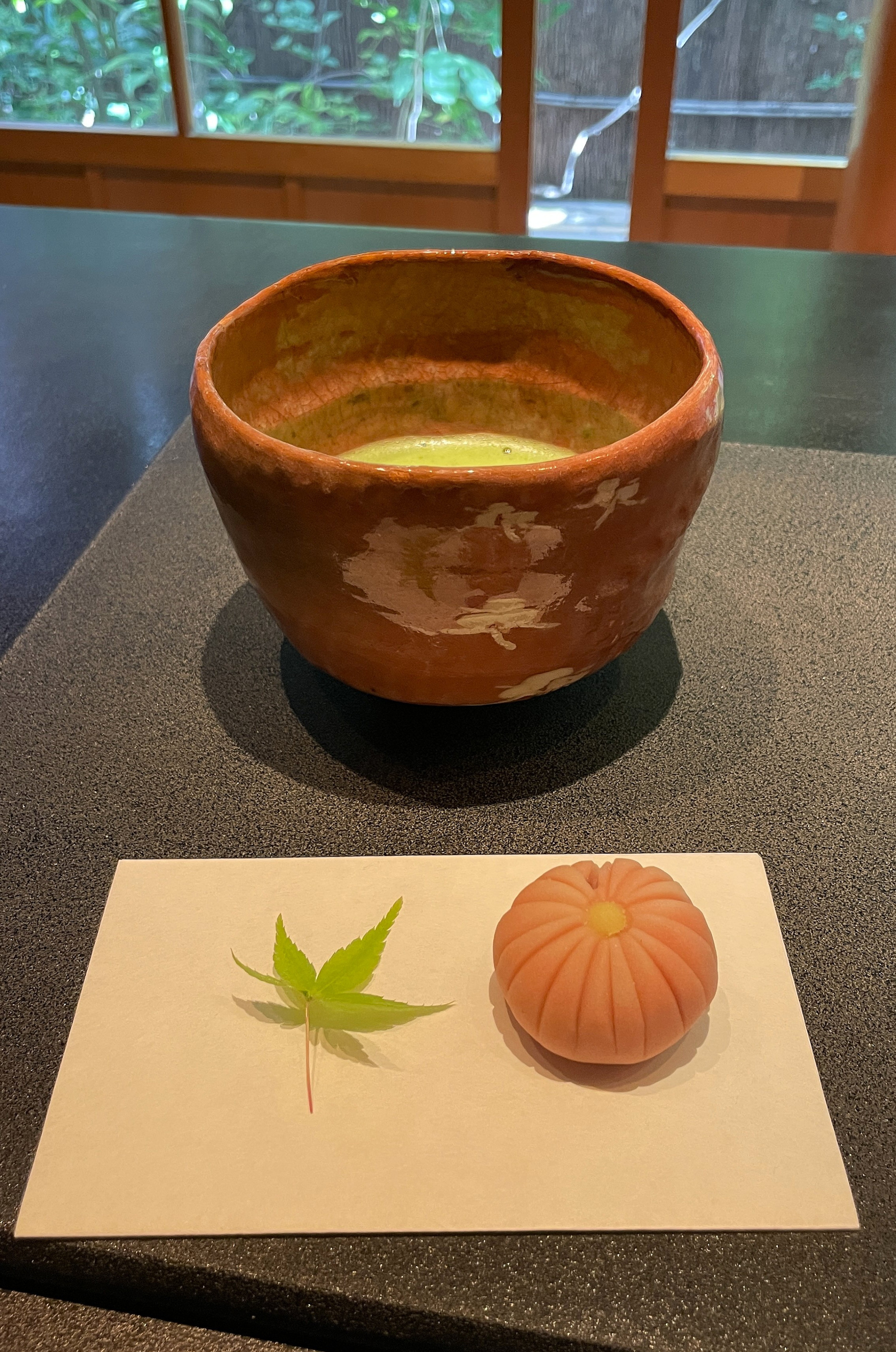
12. Matcha and seasonal sweet at Shima (Kanazawa)
Located in Kanazawa's historic district, Shima is a preserved tea house virtually unchanged since it was built in 1820, other than the addition of plumbing and electricity. Today it functions primarily as a museum, but they offer tea service with a view of the courtyard. The serene setting is echoed by the austere elegance of the tea set, which included matcha so smooth it tasted sweet and a pumpkin-shaped mochi served with a contrasting green maple leaf (Mike's tea set featured green sweet with an orange leaf). Beyond the quality of the tea set, it was meaningful to drink tea in the same building that has been hosting guests for over 200 years.
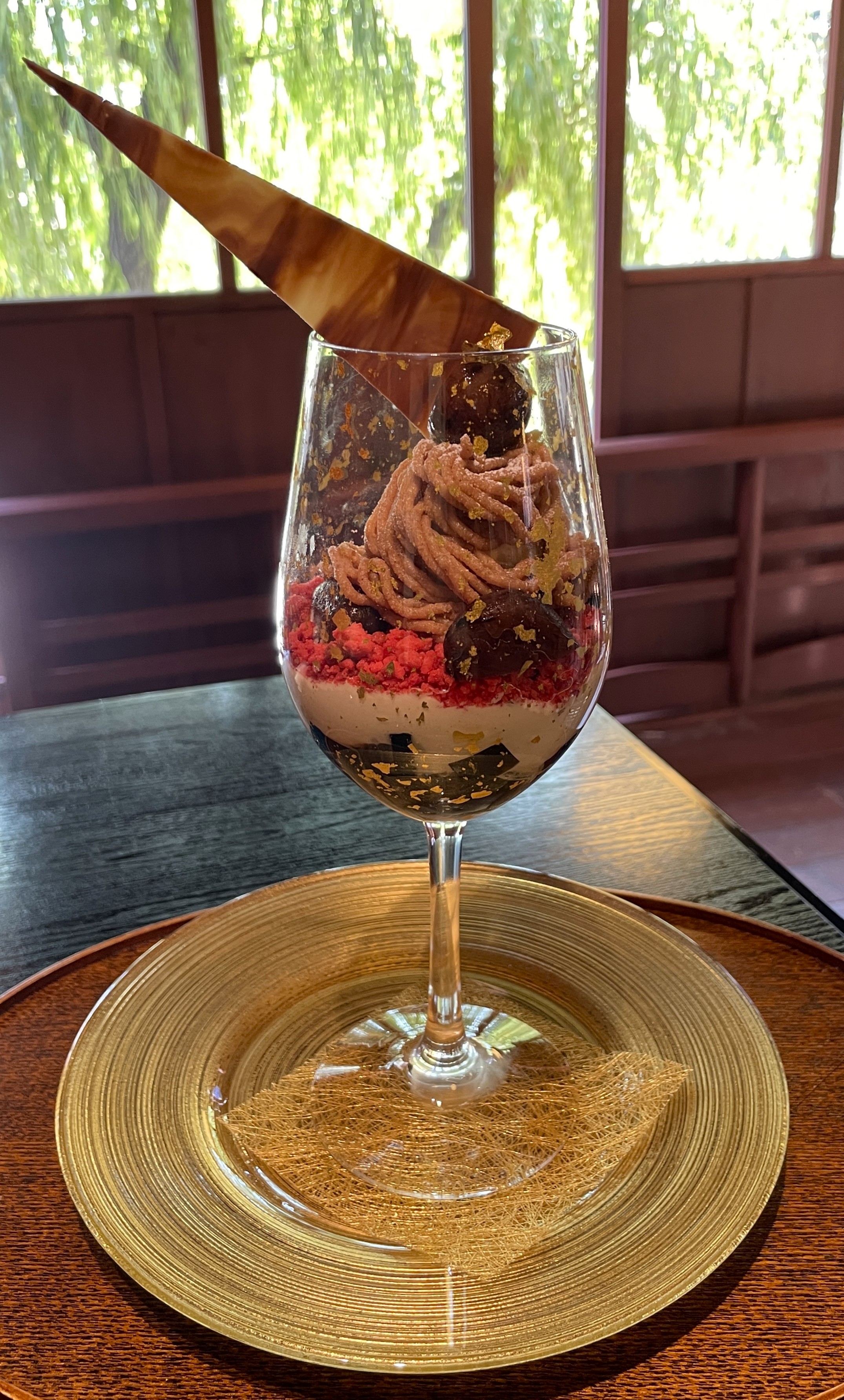
13. Mont blanc parfait at Cafe Yanagi-an (Kanazawa)
In Japan, chestnut is the ubiquitous fall flavor. It's often served as mont blanc, a chestnut puree extruded into vermicelli-style strands. I was determined to try mont blanc before I left Japan, and I couldn't have done better than the parfait at Cafe Yanagi-an. The beautiful, gold leaf-garnished presentation matched the lovely surroundings in a historic building overlooking a willow tree. Discovering each layer was a delight: mont blanc with its distinctive chestnut flavor, cooked chestnuts, crumbled cookies, coffee jellies, and whipped cream.
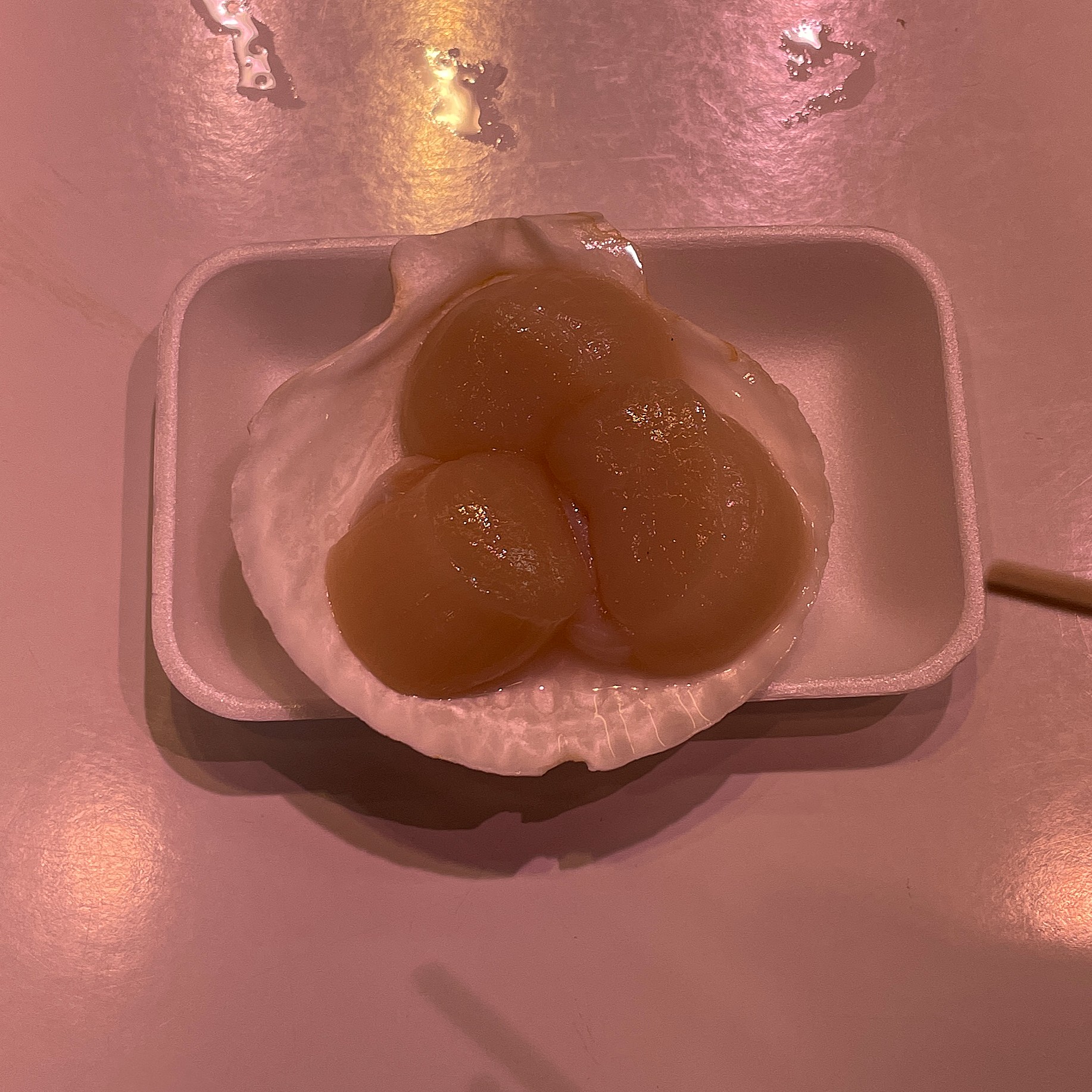
14. Scallops at Omicho Market (Kanazawa)
Omicho Market is known for fresh seafood, from fishmongers offering ready-to-eat raw items to full-service restaurants. I opted for some fresh scallops, and they were so intensely flavorful it was like several scallops had been condensed into a single bite. There was zero ambiance (I ate them while standing at narrow counter) but the quality was so excellent that I barely noticed my surroundings.
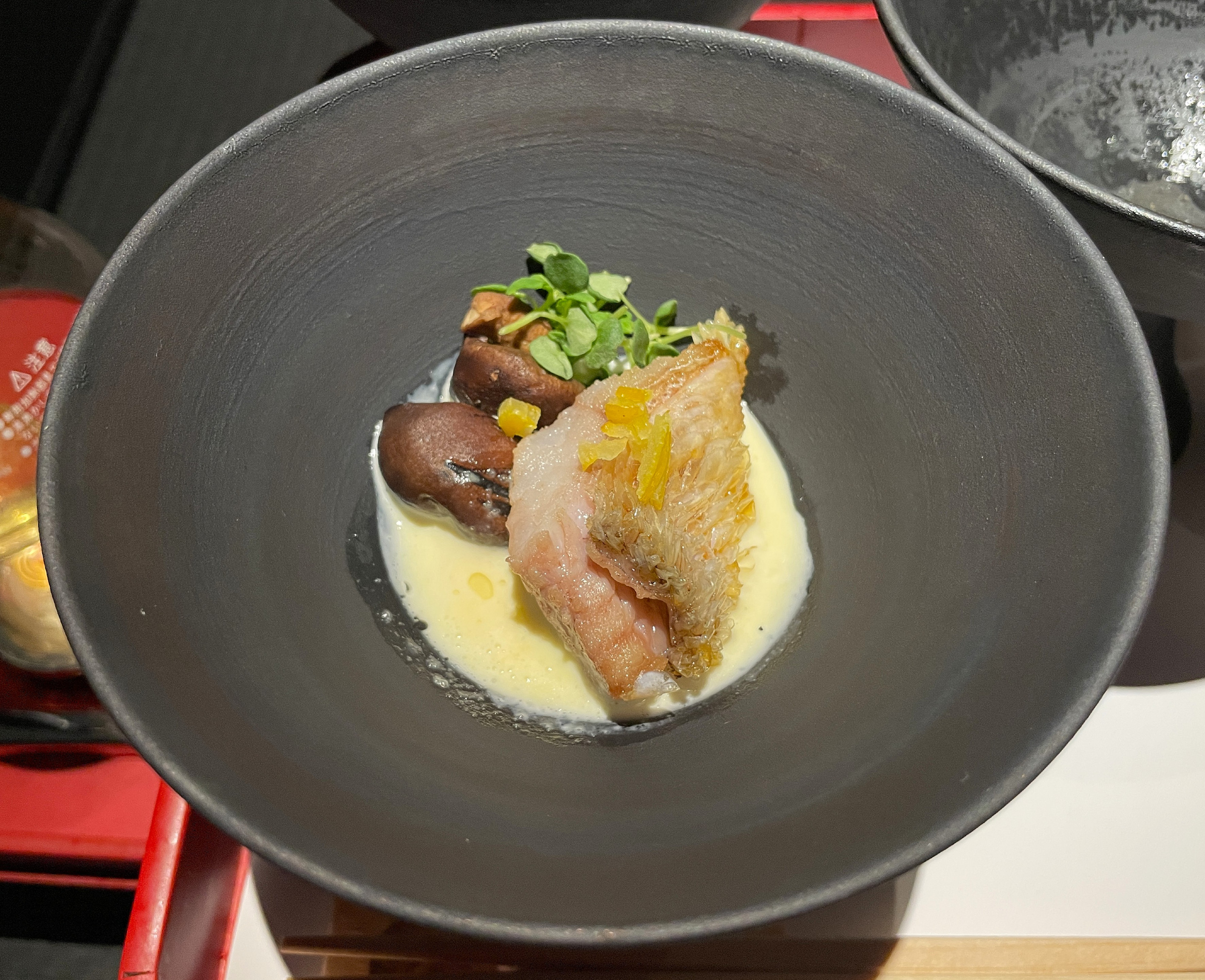
15. Crispy seared tilefish with yuzu sauce at Barrier (Kanazawa)
I booked a dinner reservation at Barrier because I was curious to try contemporary Japanese cuisine. Our meal was both weird and wonderful—the dining room felt more like an art gallery than a restaurant, and our multi-course meal involved a series of soup courses with broth served from a chemistry flask. My favorite course was the fish soup, made with a piece of seared tilefish that had an amazing honeycomb-like skin. It was one of the most interesting textures I've ever come across, and it felt so fantastic on my tongue. The creamy, delicate yuzu sauce was a lovely complement.
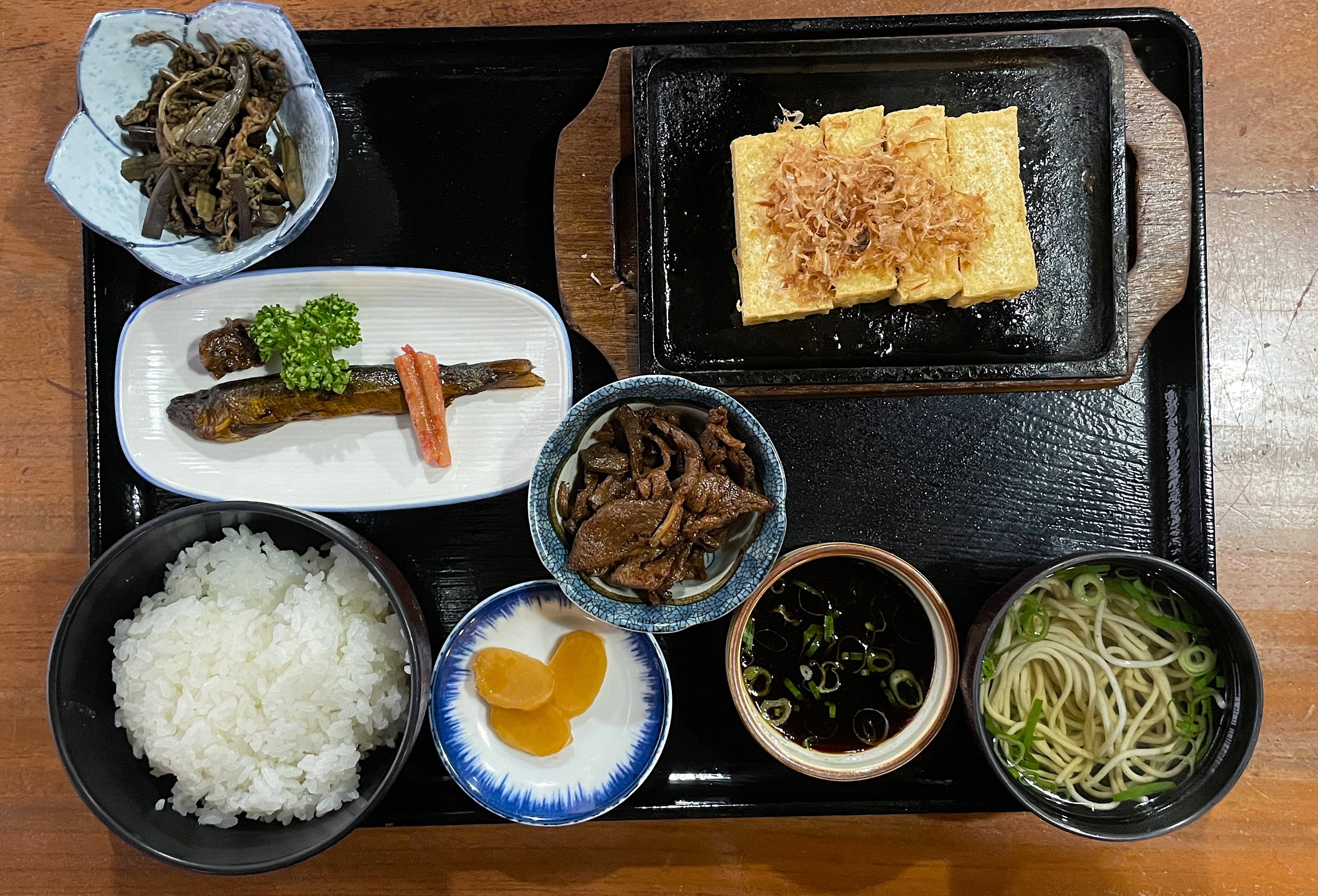
16. Grilled tofu set meal at Irori (Shirakawa-go)
Shout out to my Heavy Table colleague Jeanne for recommending Irori—it's housed in one of Shirakawa-go's distinctive thatched-roof houses and specializes in dishes grilled on iron plates. Unlike in the U.S., tofu is not necessarily a vegetarian option in Japan, so my grilled tofu meal came with animal-based sides. I loved the whole candied fish, which sounds odd but is in a similar vein as brown sugar-glazed salmon, and the grilled beef was wonderfully tender. Every element of the meal, down to the ginger pickles, was clearly made with care.
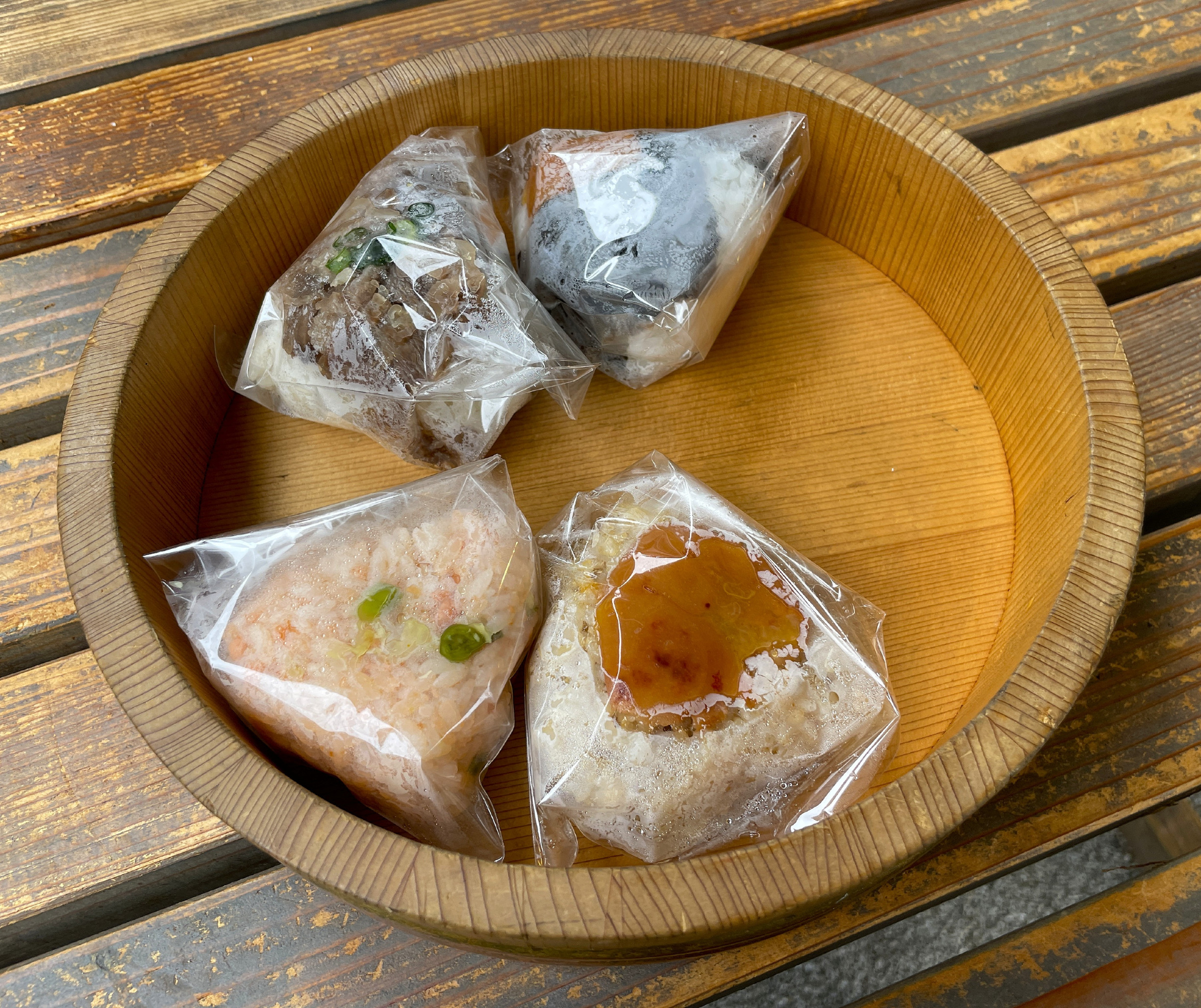
17. Brown rice with plum onigiri at Hibi Kore Ko Jitsu (Takayama)
As mentioned above, I have a deep fondness for onigiri, so as soon as I spotted Hibi Kore Ko Jitsu I knew we would double back for lunch. It's a tiny spot, with four outdoor tables and a menu featuring about a dozen types of onigiri. My favorite was the brown rice and plum—the plum was so tender it melted in my mouth, and the sweetness was nicely complemented by the nutty, earthy flavor of the brown rice.
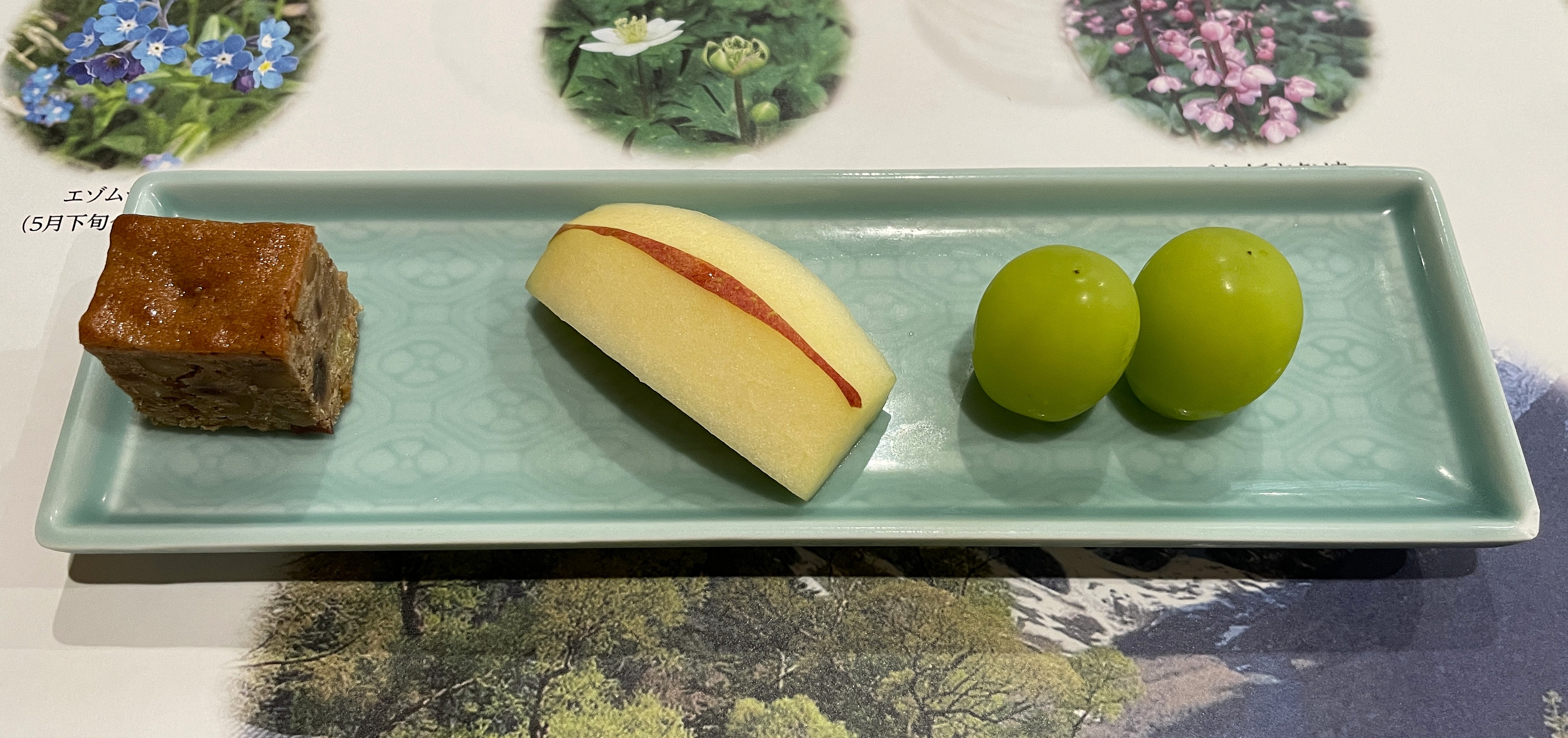
18. Kaiseki dessert at Kamikochi Onsen Hotel (Kamikochi)
As someone with a U.S.-honed sweet tooth, I am not usually not a fan of the austerity of kaiseki desserts. I want something sweeter and fancier than a piece of fruit with a dollop of yogurt at the end of a multi-course meal. However, the dessert course of our kaiseki meal at Kamikochi Onsen Hotel was a stellar final note. The enormous muscat grapes were unexpectedly floral and aromatic, and the slice of apple was gratifyingly crisp. The pine nut fruit cake had a fudge-like texture, but despite its richness it supported the fresh fruit rather than overshadowing it.
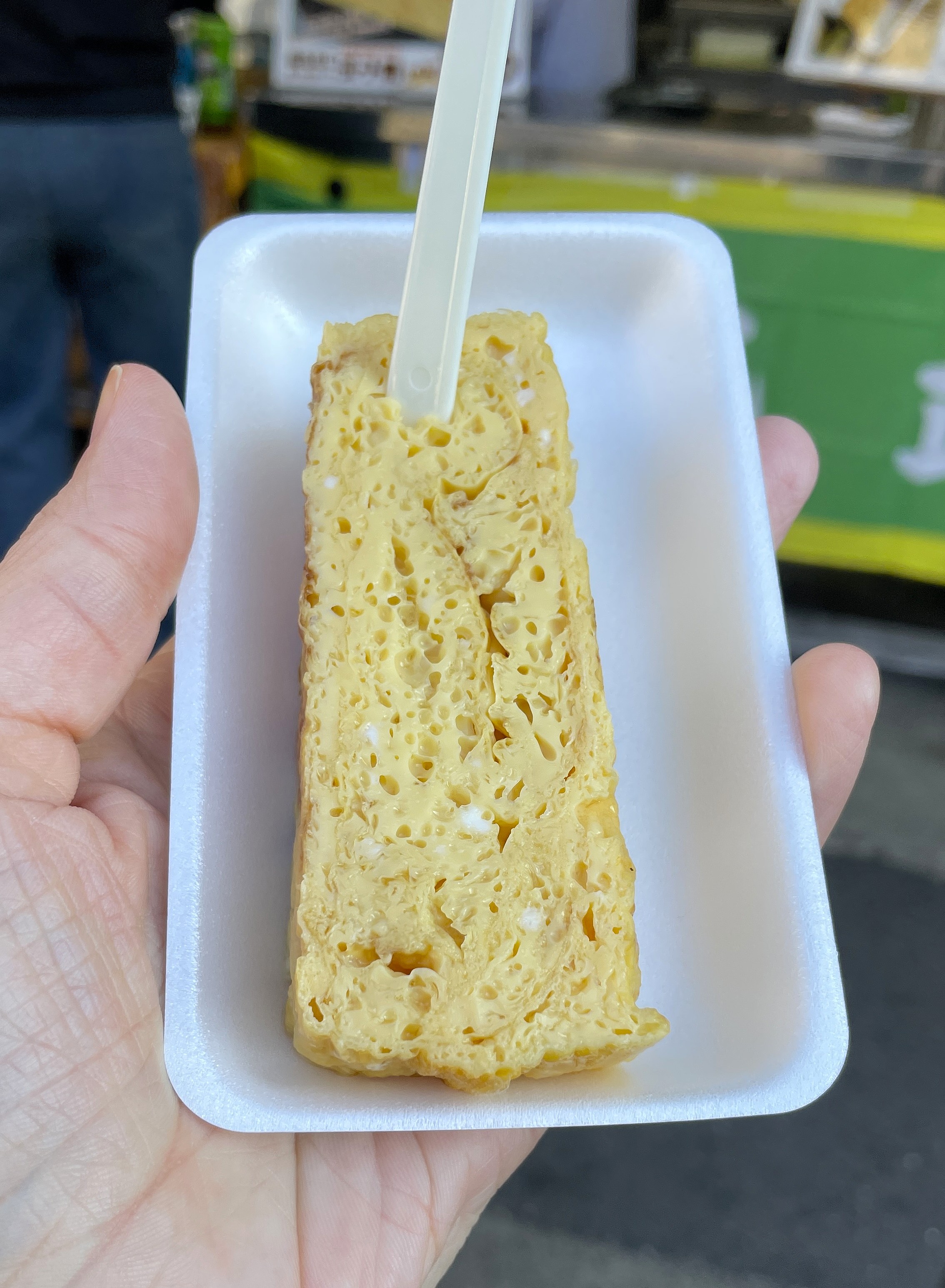
19. Tamagoyaki at Tsukiji Outer Market (Tokyo)
On our last morning in Japan, I walked to Tsukiji Outer Market for breakfast, intending to buy one of the sashimi rice bowls the seafood market is known for. However, Tsukiji was much more touristy than I remembered, with prices to match, so instead I opted for a budget-friendly tamagoyaki from a little stand. The cook was expertly churning out the rolled omelettes in quick succession, and since there was a steady stream of customers I got mine seconds after it left the pan. I had spent the whole trip eating tamagoyaki as a part of bento boxes, set meals, and breakfast buffets, but this was like a different food—it was so fluffy it was almost a souffle.
It may not have been the final vacation meal that I planned, but an expertly executed dish, perfect in its simplicity, felt quintessentially Japanese.
Further reading: